Solidarity and Peace
Solidarity and Peace are key principles of Catholic Social Teaching that promote unity, compassion, and harmony in our world. Solidarity calls us to recognise our interconnectedness and to stand in together with those who are marginalised or suffering. Through acts of compassion, cooperation, and justice, we can build peace within our communities and beyond. Embracing solidarity and working for peace fosters a world where all people can flourish and live in dignity, reflecting the values of love, compassion, and respect for all.
ACROSS THE CURRICULUM
The job of developing empathy, tolerance and peace is spread across the whole curriculum and is key to the 'Personal Development' of all pupils at our school.
In RE, we learn about about different faiths and their teachings on peace and solidarity. This can help children understand the similarities and differences between religions - having this knowledge is the foundation for tolerance and solidarity. There are many Bible passages, particularly teachings from the New Testament, that teach the children about love, compassion and justice.
In PSHE, we promote solidarity and peace as we focus on empathy, understanding, and cooperation. Teaching children about solidarity in units such as 'Identity, Society and Equality' encourages them to think about others and work together for peace.
Our History curriculum teaches about the many conflicts and successes of humanity.
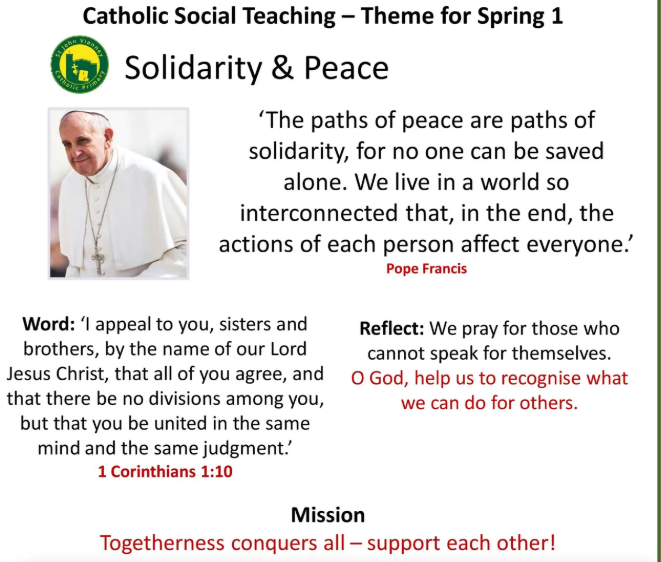
What does Solidarity and Peace mean to me?
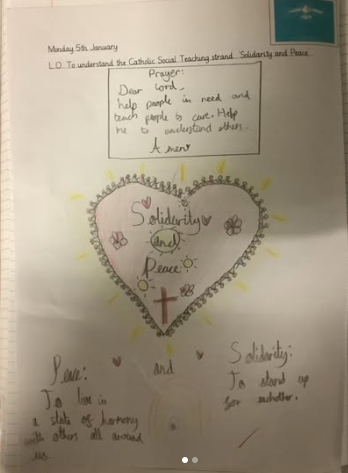
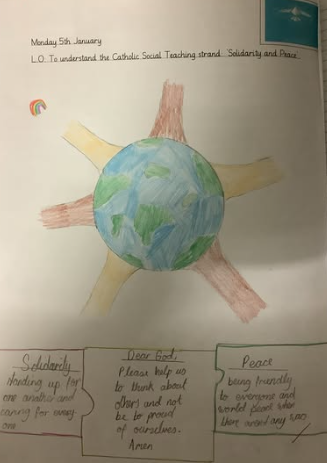
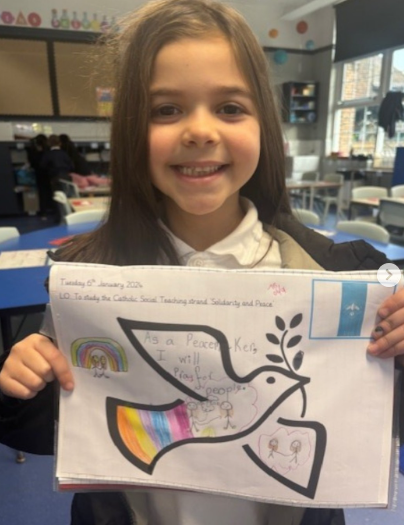
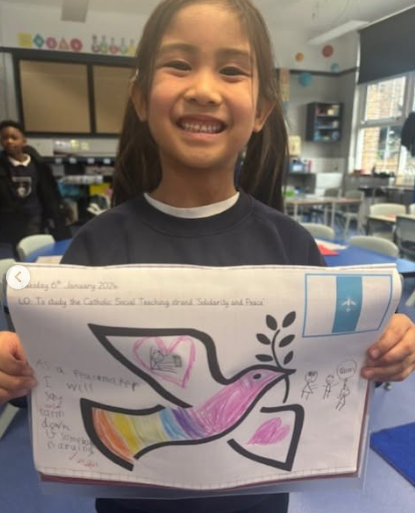
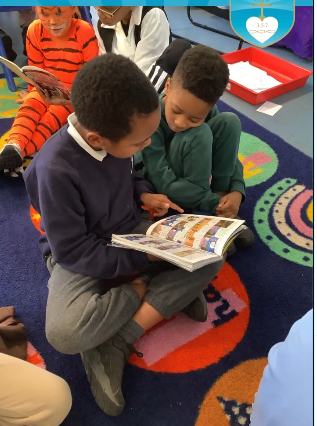
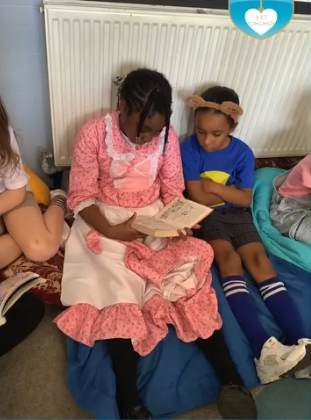
Showing solidarity with our Reading Buddies:
Understanding peace by having speakers in from The Royal British Legion and helping fundraise:


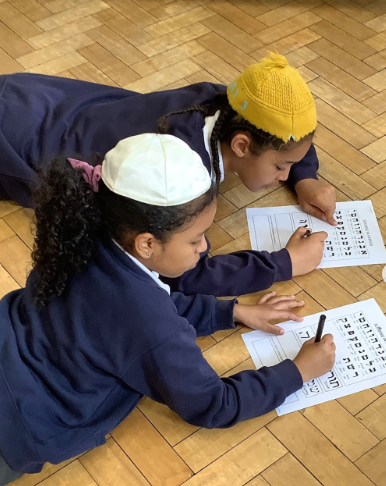
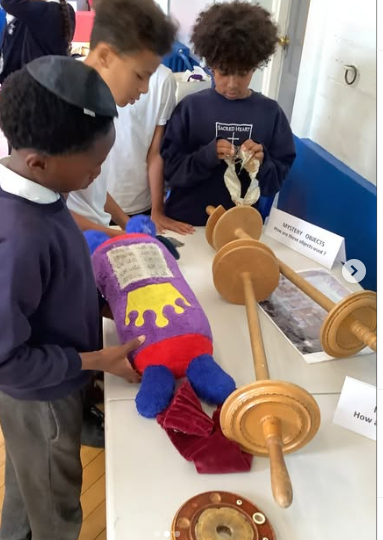
Learning about other religions is important for promoting peace and solidarity as it cultivates cultural understanding and empathy, encourages interfaith dialogue and cooperation. We learn about Judaism, Islam and Hinduism in RE.

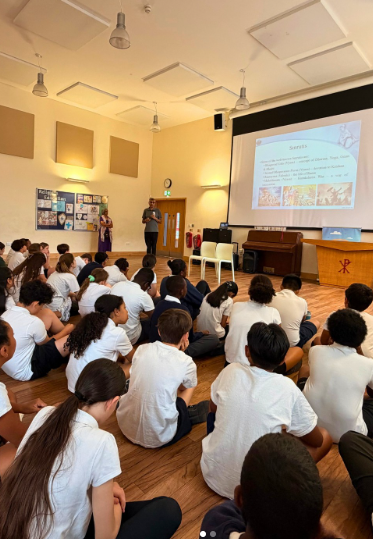
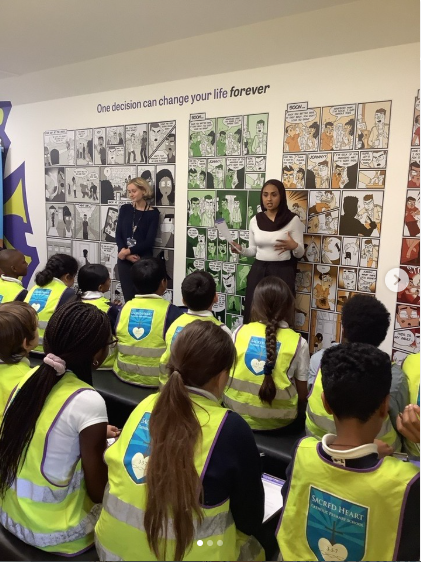
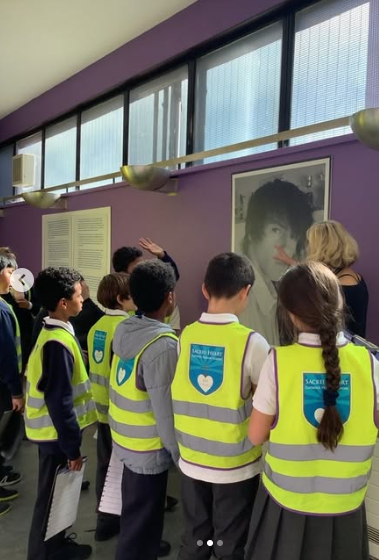
Promoting Peace through a knife crime awareness workshop on Ben Kinsella: