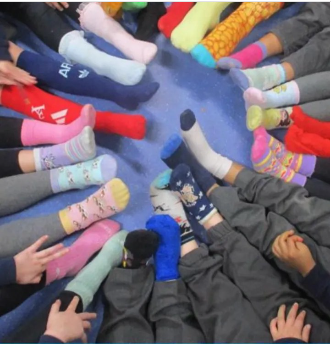
Dignity
In Catholic Social Teaching, the principle of Human Dignity holds that every individual possesses inherent worth and deserves to be treated with respect and compassion. Regardless of differences in background, beliefs, or circumstances, every person has a sacred dignity simply by virtue of being human.
Our teaching emphasises the importance of recognising the value and uniqueness of each person, affirming their rights and responsibilities. It challenges us to uphold the dignity of others in our actions, words, and attitudes, promoting justice, solidarity, and inclusion.
ACROSS THE CURRICULUM
In RE (Religious Education), many of the values exemplified in the Gospels focus on the importance of our uniqueness and Human Dignity.
In PSHE, children focus on 'Identity, Society and Equality' across the school focusing on the dignity of the individual: Children explore their own identity and what makes them special, children learn about similarities and differences between them and others, the importance of community and belonging to different groups, children explore stereotypes and discrimination, the impact of this on others - specifically hate crime - and children explore what it means to be a refugee, homelessness and explore the UN Convention on the Rights of a Child.
The History curriculum gives the children a lens through which to explore the human experience, with units ranging from the early civilisations, developing to life in the war at the end of UKS2 when loss of life and human dignity was prevalent.
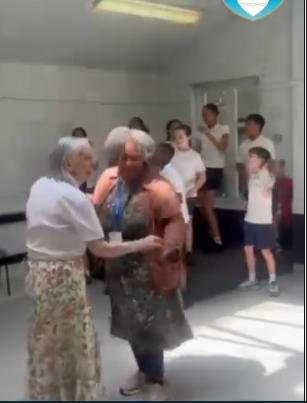
Year 6 choir members visiting a care home and singing for them:
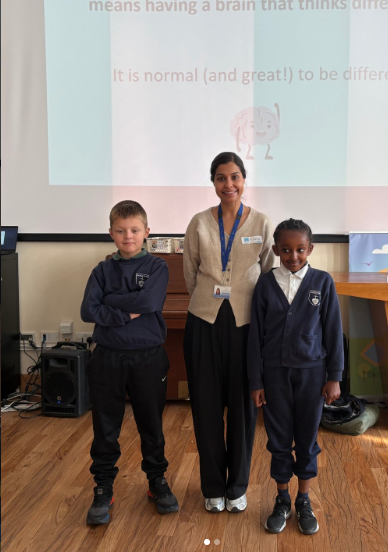
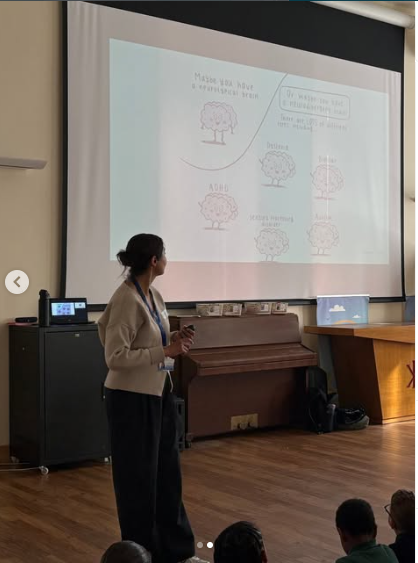
Menita from The Bridge teaching us about how our brains work differently to each others:
Anti-Bullying Week (November 2025):